



Full Information Guide to Start a Play School Franchise Today .
Starting a play school is not just a business idea. It is a chance to shape young minds, build a trusted name, and create a long-term income source. Many parents today want safe, smart, and caring early education for their kids. This demand is rising fast across cities and small towns.
That is why the Play School Franchise model is growing quickly and attracting new entrepreneurs every year.
This complete guide shares every small detail needed to start successfully. Read till the end, because missing even one step can slow growth, waste money, and reduce trust.
Why Play School Business Is Growing Fast
Early childhood education has changed a lot in recent years. Parents now understand the value of learning at an early age. Play schools are no longer just daycare spaces. They focus on brain development, social skills, creativity, and emotional growth.
Some key reasons behind strong demand:
- Rising number of working parents who need safe learning spaces for kids
- More awareness about early learning and child development
- Parents willing to invest in quality education at young age
- Low competition in many local areas
- Strong word-of-mouth marketing in education sector
What Is a Play School Franchise
A play school franchise means running a play school under a well known brand name with its proven system, curriculum, and full support. Instead of creating everything alone, this model gives a ready and organized structure.
The franchise owner benefits through brand trust and reputation, a pre designed curriculum and teaching method, proper training and setup guidance, strong marketing and admission support, and a standard classroom design with a complete material list. This approach lowers risk and supports faster growth compared to starting an independent school.
Difference Between Independent Play School and School Franchise
Independent Play School
An independent play school gives full control over curriculum, branding, teaching style, and fees. This freedom also brings higher risk and responsibility. Building trust takes time, so admissions may grow slowly. The owner manages marketing, training, and setup alone, which can increase effort and costs. Success depends on patience, consistent work, and strong parent trust.
School Franchise
A school franchise runs on a proven system trusted by parents. Strong brand value helps attract admissions faster. The franchise provides curriculum, training, and setup support, which reduces mistakes and saves time. Fees and royalty may apply, yet risk stays lower due to a tested model. This option suits beginners and investors who want faster growth and reliable support.
Who Can Start a Play School Franchise
Almost anyone with passion for education and basic business understanding can start. Teaching degree is helpful but not always compulsory.
Ideal for:
- New entrepreneurs
- Teachers and education lovers
- Housewives wanting home business
- Investors searching long-term stable income
- People with available space or property
Important qualities needed:
- Patience and love for children
- Good communication skills
- Basic management ability
- Willingness to follow system
Space Requirement and Location Tips
Space and location play a major role in the success of a play school.
A safe, clean, and child-friendly environment builds strong trust among parents and creates a positive learning atmosphere for children. Ideally, a play school needs around 800 to 1200 square feet of space , with enough room for classrooms, activity areas, and a small play zone.
Ground floor space is usually preferred because it is safer and easier for parents and small kids to access. Good ventilation, natural light, and proper cleanliness should always be maintained to keep the environment healthy and comfortable for children.
Location selection tips:
- Residential area with families and kids
- Safe street with low traffic
- Easy transport access
- Good visibility
- Nearby apartments and housing societies
Legal Requirements and Registration
Proper documentation builds trust and prevents future problems.
Basic legal steps:
- Business registration under proprietorship or partnership
- Local municipal approval
- Fire safety certificate
- Basic health and sanitation clearance
- Play school registration if required in local state rules
- Staff background verification
Some states have relaxed rules for play schools, yet proper compliance is always safe.
How to Choose the Right Franchise Brand
Choosing the right brand is the most important decision. A weak brand can slow growth even after heavy investment.
Check these points carefully:
- Brand reputation and years of experience
- Curriculum quality and learning method
- Training and support system
- Marketing assistance
- Franchise fee and royalty structure
- Reviews of existing franchise owners
- Transparency in cost
During research, many education enthusiasts discover learning spaces inspired by Kids village ideas, often praised by parents as the Best pre school in india for child-friendly learning and strong early education approach. This type of model shows how quality education builds trust and long-term success.
Setup and Infrastructure Planning
A child-friendly environment increases admissions and parent trust.
Important setup elements:
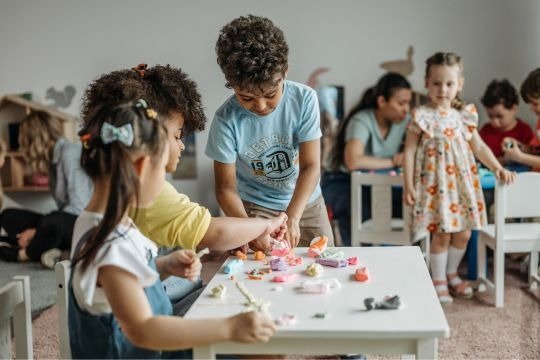
- Bright and colorful classrooms
- Safe flooring and rounded furniture edges
- Child-size chairs and tables
- Clean washrooms for kids
- CCTV cameras for safety
- Ventilation and natural light
- Activity zone and play area
- Learning charts and visual boards
Marketing and Admission Strategy
Without admissions, even best schools struggle. Smart marketing is essential to build trust, create visibility, and attract parents who are searching for a safe and quality learning place for their children.
- Local Banner and Hoardings help create strong visibility in nearby residential areas. Place them near main roads, societies, parks, and markets where parents pass daily. Clear message, contact number, and attractive visuals increase attention and inquiries.
- Social Media Presence allows direct connection with parents. Regularly share classroom activities, events, child learning moments, and safety features on platforms like Facebook and Instagram.
- Parent Referral Programs work very effectively in education. Offer small rewards, discounts, or gifts to parents who refer new admissions. Happy parents naturally recommend a good school, which builds strong word-of-mouth marketing.
- Free Demo Classes give parents and children a chance to experience the teaching style, environment, and safety. A positive demo class often converts inquiries into confirmed admissions because parents feel confident after seeing everything live.
- Launch Event and Open House create excitement and awareness during the opening phase. Invite local families, arrange fun activities for kids, show classrooms, and explain learning methods. Personal interaction builds trust faster than advertising.
- Pamphlet Distribution in nearby societies helps reach local families directly. Distribute well-designed pamphlets during evening hours or weekends when parents are available. Include clear information about facilities, safety, and admission details.
- Google Business Profile Listing improves online visibility when parents search for play schools nearby. Add correct address, photos, contact number, and reviews. Positive ratings and parent feedback increase trust and attract more inquiries.
Mistakes to Avoid
Many beginners fail due to avoidable mistakes.
Important ones:
- Choosing wrong location
- Ignoring safety standards
- Hiring untrained staff
- Weak marketing
- Poor parent communication
- Cutting cost on learning quality
Small mistakes can reduce trust quickly.
Why This Business Is Long Term Stable
Education never loses demand. Parents always invest in child learning. A well-run play school builds strong trust in community. That trust converts into stable income and long-term growth.
Unlike many businesses, this field also gives emotional satisfaction because it shapes young minds and future generation.
Final Words
Starting a play school is not just about earning. It is about responsibility, trust, and care. Success comes to those who focus on quality, safety, and learning. Every small detail shared in this guide plays an important role. Skipping any step can slow growth, reduce admissions, and weaken trust.